
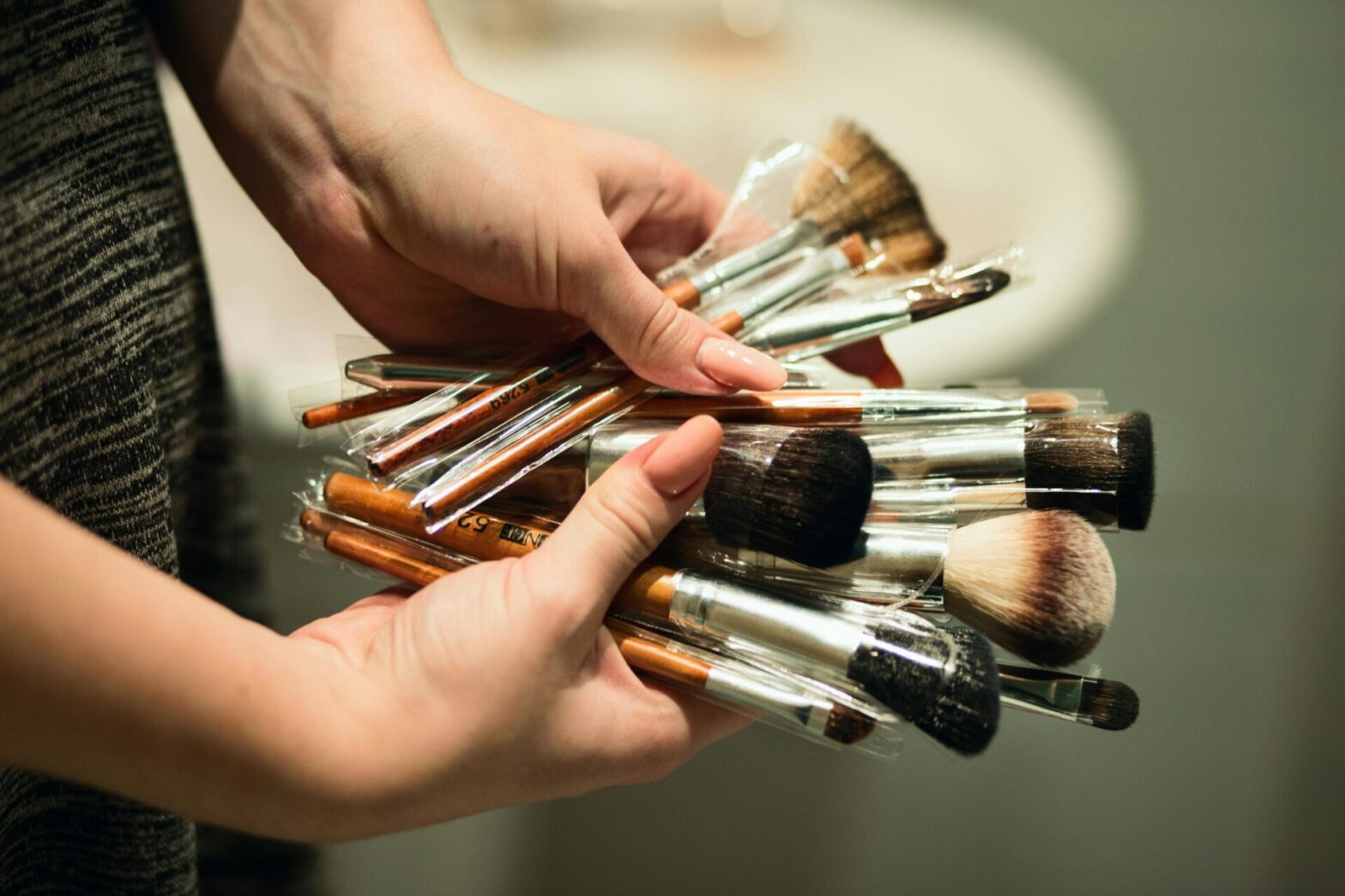
Cleaning cosmetic brushes is one of the most important — and most overlooked — parts of any beauty routine. Dirty brushes harbor bacteria, old product buildup, and skin oils that can lead to breakouts, uneven makeup application, and premature brush damage.
Whether you use brushes for foundation, eyeshadow, or blush, understanding how and when to clean them properly protects both your skin and your tools.
Quick Answer
To clean cosmetic brushes, wet the bristles with lukewarm water, apply a small amount of gentle soap or brush cleanser, and swirl the brush in your palm until the water runs clear. Reshape the bristles and lay the brush flat to dry. This process takes under five minutes per brush.
Key Takeaways
- Wash brushes used on the face weekly and eye brushes every two to three uses
- Use lukewarm water — hot water can loosen the glue holding bristles in place
- Always dry brushes flat or upside down to prevent water from damaging the ferrule
- Gentle soap, baby shampoo, or a dedicated brush cleanser are the most effective cleaning agents
- Dirty brushes are a leading cause of clogged pores and skin irritation
- Spot-cleaning between uses extends the life of your brushes significantly
Why Cleaning Cosmetic Brushes Matters
Makeup brushes collect far more than leftover pigment. Every use deposits dead skin cells, natural oils, and environmental debris into the bristles. Over time, this buildup becomes a breeding ground for bacteria like Staphylococcus and E. coli, both of which can cause skin infections.
Beyond hygiene, dirty brushes affect makeup performance. A foundation brush clogged with old product applies unevenly and can cause streaking. Clean brushes pick up and deposit color more accurately, giving you better results with less effort.
How Often Should You Clean Makeup Brushes?
Frequency depends on the type of brush and how it’s used.
| Brush Type | Recommended Cleaning Frequency |
|---|---|
| Foundation brush | Once a week |
| Concealer brush | Once a week |
| Eyeshadow brush | Every 2–3 uses |
| Blush/bronzer brush | Every 1–2 weeks |
| Lip brush | After every use |
| Setting powder brush | Every 2 weeks |
Brushes used with liquid or cream products need more frequent cleaning than those used with dry powders. Liquid formulas break down deeper into bristles and create a more hospitable environment for bacterial growth.
Step-by-Step: How to Deep Clean Cosmetic Brushes
Deep cleaning removes embedded product, oils, and bacteria. Follow these steps for best results:
- Wet the bristles with lukewarm water, pointing the brush downward to avoid saturating the ferrule (the metal band connecting bristles to the handle)
- Apply cleanser — a pea-sized amount of gentle soap, baby shampoo, or dedicated brush cleaner works well
- Swirl the brush in your palm or on a textured cleaning mat using gentle circular motions
- Rinse thoroughly under running water until the water runs completely clear
- Gently squeeze out excess water using a clean towel — do not pull or twist the bristles
- Reshape the bristles to their original form while damp
- Lay flat to dry on a clean towel, or hang bristles-down using a brush drying rack
Drying time varies. Larger, denser brushes like kabuki or powder brushes can take six to eight hours. Smaller eye brushes typically dry within two to three hours.
What Is the Best Cleaner for Makeup Brushes?
The most effective cleaners are gentle, non-stripping, and fast-rinsing.
- Baby shampoo is a widely recommended option because it’s gentle on synthetic and natural bristles
- Dedicated brush cleansers (liquid or solid) are formulated specifically to dissolve makeup without damaging fibers
- Dish soap can work for heavily soiled brushes but should be used sparingly — it can dry out natural bristles over time
- Micellar water is useful for quick spot-cleaning between full washes
Avoid alcohol-based cleaners for regular deep cleaning. While they disinfect quickly, frequent use dries out bristles and shortens brush lifespan.
Spot Cleaning vs. Deep Cleaning
Spot cleaning is a quick method used between full washes. It removes surface pigment and refreshes bristles without water. A spray brush cleanser or a small amount of micellar water on a tissue is typically enough.
Spot cleaning is ideal when switching between colors during a makeup session or when you need a brush to be ready quickly. It does not replace deep cleaning — it only extends the interval between full washes.
Common Mistakes to Avoid
- Soaking the entire brush in water — this loosens adhesive inside the ferrule and causes shedding
- Drying brushes upright — water drains into the ferrule and weakens the glue
- Scrubbing too aggressively — this misshapes bristles and causes premature shedding
- Skipping the rinse — soap residue left in bristles can irritate skin and affect product application
If you’re also building out a cleaner, more natural beauty routine, it’s worth exploring the best natural and organic foundations and the best natural and organic concealers — both of which pair well with well-maintained brushes. Keeping your tools clean also becomes especially important when using products designed to minimize pore appearance, such as those featured in guides like the best foundation for large pores and wrinkles.
Conclusion
Cleaning cosmetic brushes regularly is a straightforward habit that pays off in clearer skin, better makeup results, and longer-lasting tools. Deep clean weekly for face brushes, spot-clean between uses, and always dry flat to protect bristle integrity.
A few minutes of maintenance each week is all it takes to keep your brushes performing at their best.
FAQs
Can I use dish soap to clean makeup brushes?
Dish soap can remove stubborn buildup effectively, but it’s harsh on natural-hair bristles. Use it occasionally for heavily soiled brushes, and follow up with a drop of conditioner to restore softness.
How long do makeup brushes take to dry after washing?
Most brushes dry within two to eight hours depending on bristle density. Dense powder and kabuki brushes take the longest. Always allow brushes to dry completely before using them.
Can dirty makeup brushes cause acne?
Yes. Bacteria and old product trapped in brush bristles can transfer to skin and clog pores, contributing to breakouts. Regular cleaning significantly reduces this risk.
Is it safe to clean makeup brushes with rubbing alcohol?
Rubbing alcohol can be used for quick disinfection but should not be used regularly. It dries out bristles, causes brittleness, and can dissolve the adhesive inside the ferrule over time.
How do I know when a makeup brush needs replacing?
Replace a brush when bristles shed excessively, lose their shape permanently, or feel rough and scratchy against the skin — even after washing. Well-maintained brushes can last several years.
This article was last updated on March 4, 2026 .