
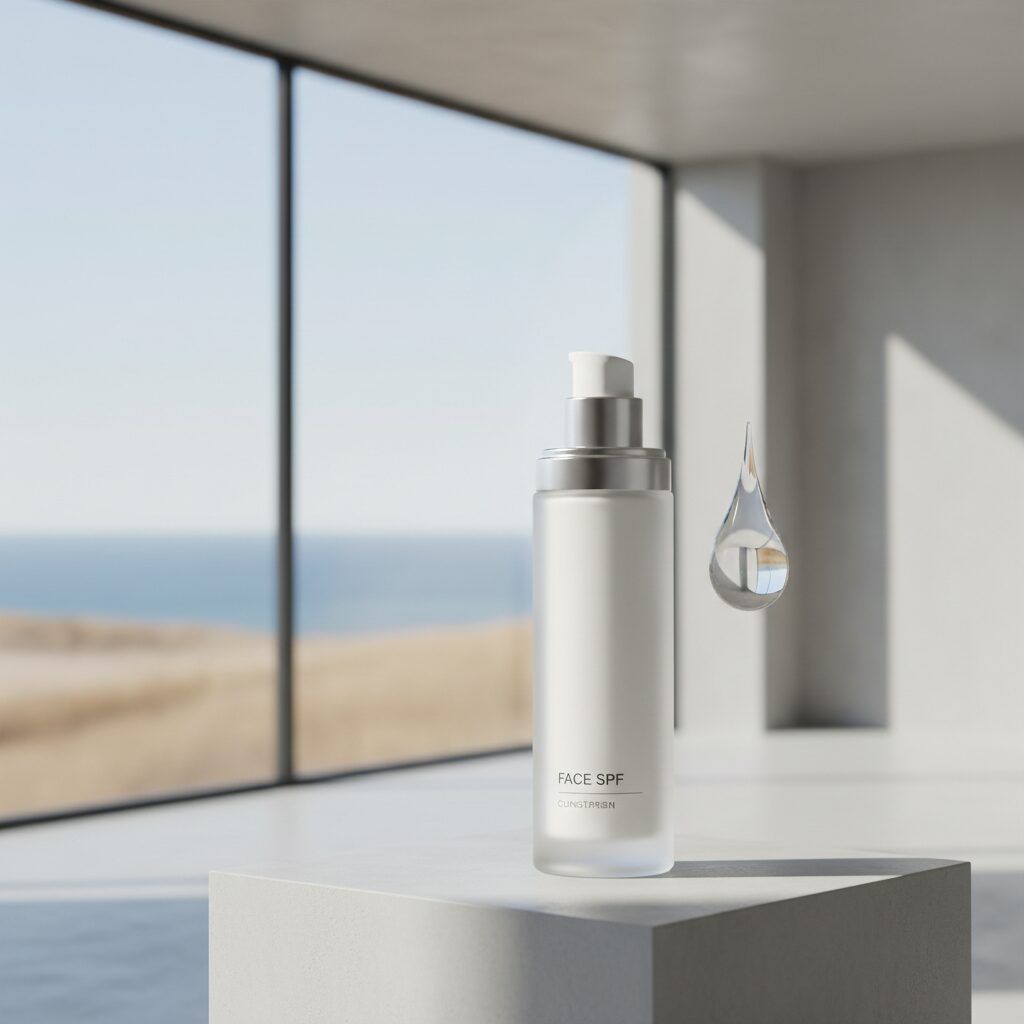
Finding the right sunscreen for your face is already a challenge. Finding one that protects your skin without leaving it greasy, shiny, or congested? That is a whole other level of effort. If you have oily, acne-prone, or combination skin, the words “oil-free SPF” might feel like the holy grail of skincare. And honestly, for good reason.
Oil-free facial sunscreens have come a long way. Today’s formulas are lightweight, fast-absorbing, and designed to work with your skin rather than against it. Whether you are building a morning routine from scratch or trying to figure out why your current SPF is breaking you out, this guide will walk you through everything you need to know about choosing the best face SPF that is oil-free.
Key Takeaways
- Oil-free sunscreens are specifically formulated without pore-clogging oils, making them ideal for oily, acne-prone, and combination skin types
- Mineral, chemical, and hybrid SPF formulas all have oil-free options with different textures and benefits
- Look for non-comedogenic labels to ensure the formula will not block pores
- SPF 30 is the minimum recommended for daily use; SPF 50 is better for extended outdoor time
- Lightweight textures like gels, serums, and fluid to work best for oily skin types
- Ingredients like niacinamide and zinc oxide can do double duty by protecting skin and managing excess oil
- Reapplication every two hours is essential for real sun protection, regardless of the SPF number
- Pairing your SPF with oil-free moisturizers and foundations helps maintain a matte, protected finish throughout the day
Why Oil-Free SPF Matters for Your Skin
Standard sunscreens are often formulated with emollients and oils that help them spread smoothly and feel luxurious on the skin. While this works beautifully for dry skin types, those same ingredients can spell disaster for anyone prone to breakouts or excess shine.
When oils from a sunscreen formula mix with your skin’s natural sebum, they can clog pores, trigger breakouts, and leave your face looking like it needs a blotting sheet within the first hour of your day. Oil-free formulas eliminate this problem by using alternative ingredients to achieve smooth application and comfortable wear without the greasy residue.
Beyond aesthetics, there is a real skin health argument here. Consistently wearing sunscreen is one of the most effective things you can do for your skin long-term. Skipping SPF because your current formula makes you break out is not a solution. Finding an oil-free option that your skin actually tolerates is.
Understanding SPF Formula Types
Not all sunscreens are created equal, and the type of formula you choose will significantly affect how your skin feels and looks throughout the day.
Mineral Sunscreens
Mineral (or physical) sunscreens use zinc oxide or titanium dioxide as their active ingredients. These sit on top of the skin and physically deflect UV rays rather than absorbing them. Many mineral formulas are naturally oil-free or low oils, and zinc oxide in particular has mild anti-inflammatory properties that can actually help calm acne-prone skin.
The downside? Some mineral formulas leave a white cast, particularly on deeper skin tones. Look for micronized or tinted mineral formulas if this is a concern for you.
Chemical Sunscreens
Chemical sunscreens absorb UV radiation and convert it to heat. They tend to have lighter, more invisible finishes, which makes them popular for everyday use. Many chemical SPF formulas are available in oil-free, gel, or serum formats that feel virtually weightless on the skin.
Some people with sensitive skin find that certain chemical filters cause irritation, so patch testing is always a smart first step.
Hybrid Formulas
Hybrid sunscreens combine both mineral and chemical filters, aiming to get the best of both worlds. These are increasingly common and often in elegant, oil-free textures that work well under makeup.
What to Look for on the Label
Navigating sunscreen labels can feel overwhelming. Here is a straightforward breakdown of what to prioritize:
| Label Term | What It Means |
|---|---|
| Oil-Free | No added oils in the formula |
| Non Formulated to avoid blocking pores | |
| Broad Spectrum | Protects against both UVA and UVB rays |
| SPF 30+ | Blocks approximately 97% of UVB rays |
| Matte Finish | Designed to reduce shine after application |
| Fragrance-Free | Better for sensitive or reactive skin types |
All of these terms matter, but if you only prioritize two, make it broad spectrum and non-comedogenic. A sunscreen that only blocks UVB rays is leaving your skin vulnerable to the aging and pigmentation effects of UVA radiation. And a formula that clogs pores will cause more harm than good over time.
Key Ingredients to Look For (and Avoid)
The ingredient list tells you a lot about how a sunscreen will perform on oily or acne-prone skin.
Ingredients That Benefit Oily Skin
- Zinc oxide acts as a physical UV filter and has natural oil-controlling properties
- Niacinamide helps regulate sebum production and reduces the appearance of pores
- Silica or silicones absorb excess oil and create a smooth, matte finish
- Hyaluronic acid provides lightweight hydration without adding oil
- Dimethicone improves texture and spreadability without clogging pores
Ingredients to Be Cautious About
- Coconut oil is highly comedogenic and should be avoided if you are prone to breakouts
- Isopropyl myristate is another common comedogenic ingredient found in some SPF formulas
- Heavy waxes and butters can sit on the skin and contribute to congestion
- Alcohol denat. in high concentrations can be drying and irritating, especially in the long term
If you are already using products with active ingredients like salicylic acid or retinol, a fragrance-free, minimal-ingredient SPF is usually the safest choice. For a deeper look at how salicylic acid plays a role in your skincare routine, The 5 Best Salicylic Face Washes and Cleansers offers a great breakdown of how this ingredient works in cleansing formulas.
SPF Textures That Work Best for Oily Skin
Texture is everything when it comes to SPF compliance. If your sunscreen feels unpleasant to wear, you simply will not wear it consistently. Here are the textures that tend to work best for oily skin:
| Texture Type | Best For | Finish |
|---|---|---|
| Gel | Oily and acne-prone skin dewy | |
| Fluid/Lotion | Combination skin | Natural or satin |
| Serum SPF | All skin types, especially oily | Lightweight, skin-like |
| Tinted SPF | Those who want light coverage | Matte to natural |
| Stick SPF | Touch-ups and reapplication | Varies |
Gel formulas are particularly popular for oily skin because they absorb quickly and leave behind a clean, dry finish. Serum SPFs have also become a favorite in recent years because they layer seamlessly under makeup and feel almost invisible on the skin.
How to Layer Oil-Free SPF Into Your Routine
Getting the most out of your sunscreen is not just about the product itself. How you apply it and what you layer it with makes a real difference.
- Cleanse your face with a gentle or salicylic cleanser appropriate for your skin type
- Apply any serums or treatments (vitamin C, niacinamide, etc.) and allow them to absorb
- Use a lightweight, oil-free moisturizer if needed, or skip this step if your SPF provides enough hydration
- Apply your sunscreen as the final skincare step, before any makeup
- Wait a few minutes for the formula to settle before applying foundation or primer
- Reapply every two hours when outdoors, using a powder SPF or SPF mist for convenience
For those who prefer a more streamlined routine, some oil-free foundations now include SPF. However, dermatologists generally recommend using a dedicated sunscreen rather than relying solely on SPF in makeup, since most people do not apply enough foundation to achieve the labeled protection level. If you are curious about how foundation fits into your overall routine, The Best Natural and Organic Foundations and The 5 Best Silicone-Free Foundation are helpful resources for finding compatible formulas.
Common Mistakes to Avoid
Even with the right product, a few common missteps can reduce the effectiveness of your SPF routine:
- Not using enough product: Most people apply only 25 to 50 percent of the recommended amount, which significantly reduces protection
- Applying SPF too early: Sunscreen should be the last skincare step, not applied directly to bare skin under multiple layers of product
- Skipping reapplication: SPF degrades with sun exposure, sweat, and touch, so reapplication is non-negotiable
- Relying on SPF in makeup alone: As mentioned, you would need to apply a significant amount of foundation to get the labeled SPF benefit
- Ignoring the neck and ears: These areas are just as exposed as your face and equally prone to sun damage
For those building out a complete skincare and body protection routine, pairing your face SPF with a solid body sunscreen is important too. The Best Natural and Organic Sunscreens covers a range of options for full-body protection.
How Oil-Free SPF Connects to the Bigger Picture
Daily sun protection is about more than avoiding sunburn. UV exposure is the leading cause of premature aging, hyperpigmentation, and skin cancer. For oily and acne-prone skin types in particular, the sun can worsen post-inflammatory hyperpigmentation, making those dark marks left behind by breakouts even more difficult to fade.
Using an oil-free SPF consistently is one of the most impactful choices you can make for both the short-term appearance and long-term health of your skin. It reduces shine, prevents pore congestion, and protects against the UV damage that can make existing skin concerns worse.
If you are working on a more comprehensive natural beauty routine, exploring The Best Natural and Organic Deodorants and The 10 Best Natural and Organic Anti-Aging Creams can help round out a clean, skin-friendly approach to daily care.
Conclusion
Choosing the best oil-free face SPF comes down to understanding your skin type, knowing what ingredients to look for, and finding a texture you will actually enjoy wearing every day. Mineral, chemical, and hybrid formulas all have excellent oil-free options available. Prioritize broad-spectrum protection, a non-comedogenic formula, and a finish that complements your skin’s natural tendencies.
The best sunscreen is always the one you will wear consistently. With so many lightweight, mattifying, oil-free options on the market today, there is no reason oily or acne-prone skin should go unprotected.
Frequently Asked Questions
Can oil-free sunscreen still moisturize skin?
Yes. Many oil-free formulas include hydrating ingredients like hyaluronic acid or glycerin that provide moisture without adding oiliness. If you have combination skin, an oil-free SPF with built-in hydration may be all you need as a moisturizer.
Is mineral or chemical SPF better for oily skin?
Both can work well for oily skin when formulated correctly. Mineral formulas with zinc oxide offer the added benefit of mild oil control, while chemical formulas often have lighter, more invisible textures. Your best choice depends on your skin’s specific sensitivities.
How do I know if a sunscreen is truly non-comedogenic?
Look for the non-comedogenic label and review the ingredient list for known comedogenic ingredients like coconut oil or isopropyl myristate. Keep in mind that non-comedogenic labeling is not strictly regulated, so personal patch testing is always a good idea.
Can I wear oil-free SPF under makeup?
Absolutely. Oil-free SPFs are designed to layer well under makeup. Allow the sunscreen to fully absorb before applying primer or foundation for the best results and longest-lasting wear.
What SPF level should I use on my face daily?
Dermatologists recommend a minimum of SPF 30 for everyday use. If you spend extended time outdoors, SPF 50 provides an extra margin of protection. Higher SPF numbers offer incrementally more protection, but consistent application matters more than the number alone.
This article was last updated on March 31, 2026 .