
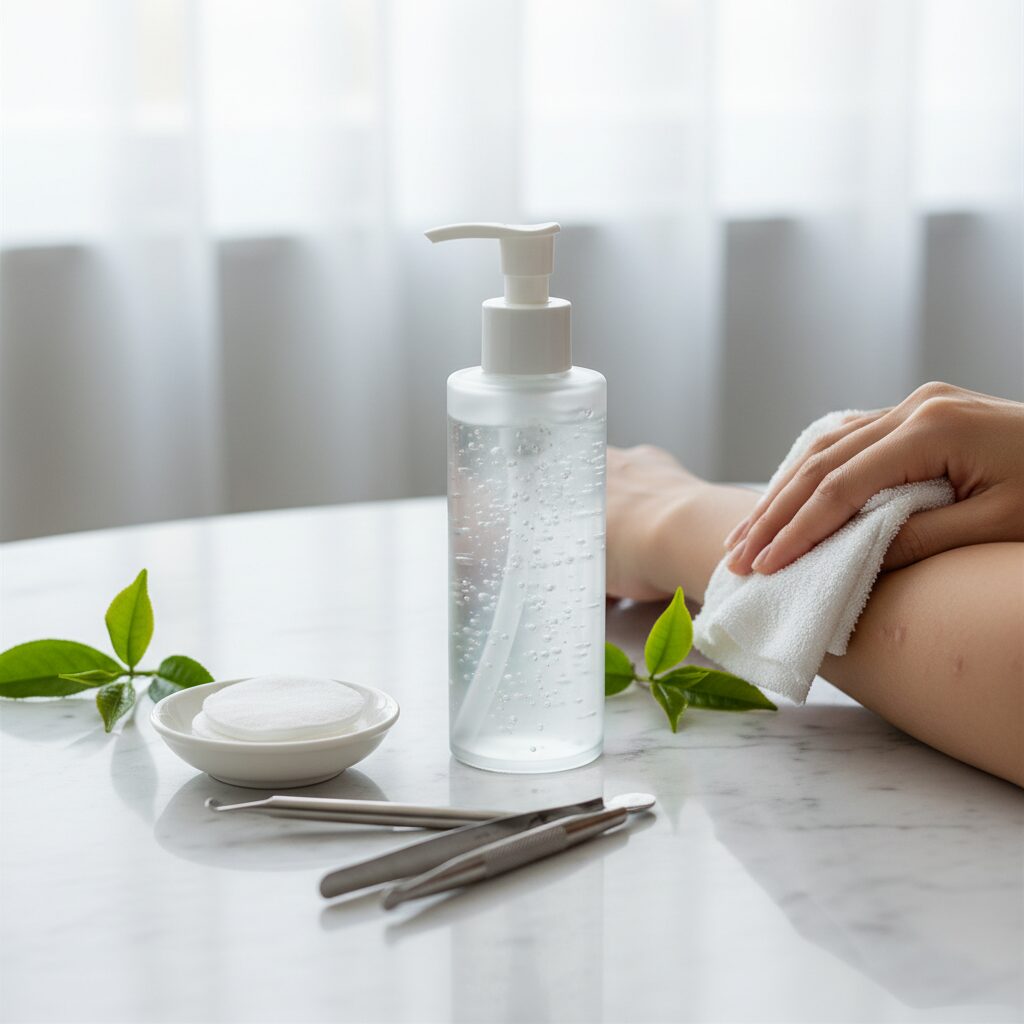
Pores. They’re one of the most talked-about features in skincare, yet also one of the most misunderstood. Whether you’re frustrated by enlarged pores on your nose, dealing with persistent blackheads, or simply trying to understand how your skin actually works, proper skin pore care is the foundation of a healthy, balanced complexion.
The truth is, you can’t eliminate pores (nor would you want to), but you absolutely can minimize their appearance, keep them clean, and prevent the congestion that makes them more visible. Understanding what your pores do and how to care for them properly changes everything about your skincare routine.
Key Takeaways
- Pores cannot be permanently opened or closed, but their appearance can be minimized with consistent care
- Excess sebum, dead skin cells, and environmental debris are the main causes of clogged pores
- Gentle, consistent cleansing is the single most important step in pore care
- Exfoliation (chemical and physical) helps keep pores clear, but over-exfoliating can worsen the problem
- Sunscreen protects against UV damage that breaks down collagen and makes pores appear larger over time
- Ingredients like salicylic acid, niacinamide, and retinol are among the most effective for pore care
- Diet and hydration play a supporting role in skin health and pore appearance
- Your skin type determines which pore care approach will work best for you
What Are Pores and Why Do They Matter?
Pores are tiny openings in the skin that house hair follicles and sebaceous (oil) glands. Every person has them, and they serve a vital function: releasing sebum (the skin’s natural oil) to keep the skin moisturized and protected. There are also sweat pores, which regulate body temperature, but when most people talk about pores in skincare, they mean the follicular kind.
Pores become more noticeable when they are:
- Clogged with oil, dead skin cells, or makeup residue
- Stretched by repeatedestion over time
- Weakened by sun damage, which degrades collagen and elastin
- Genetically larger due to skin type (oily skin tends to have more visible pores)
Understanding this helps you approach pore care with realistic expectations and the right tools.
The Main Causes of Enlarged and Clogged Pores
Before diving into solutions, it helps to understand what’s actually causing the problem. Pore issues rarely come from one single source.
Excess Sebum Production
Oily skin types naturally produce more sebum, which can mix with dead skin cells and oxidize inside the pore, forming blackheads or creating that “stretched” look. Hormonal fluctuations, heat, and certain skincare products can also trigger excess oil.
Dead Skin Cell Buildup
Without regular exfoliation, dead skin cells accumulate on the surface and inside the pore opening, leading to congestion and dullness. This is one of the most common and correctable causes of visible pores.
Sun Damage breaks down collagen in the skin over time. Since collagen provides the structural support that keeps pores tight and firm, this degradation causes pores to appear larger and more prominent. This is why daily SPF is considered a non-negotiable step in pore care.
Makeup and Product Buildup
Heavy, comedogenic products can sit inside pores and contribute to blockages. Not removing makeup thoroughly before bed is one of the fastest ways to develop congestion.
A Practical Skin Pore Care Routine
Effective pore care doesn’t require a 12-step routine. It requires the right steps, done consistently.
Step 1: Cleanse Twice Daily
Cleansing is the cornerstone of any pore care routine. A gentle, non-stripping cleanser removes surface oil, makeup, and environmental pollutants without disrupting the skin barrier. Over-cleansing with harsh formulas can actually trigger more oil production, making pores appear worse.
For those dealing with stubborn congestion, a salicylic acid face wash is particularly effective. Salicylic acid is oil-soluble, meaning it penetrates into the pore lining to dissolve the buildup from the inside out.
Step 2: Exfoliate RegularlyBut Not Excessively)
Exfoliation removes the dead skin cells that clog pores. There are two main types:
- Chemical exfoliants: AHAs (like glycolic and lactic acid) work on the skin surface, while BHAs (like salicylic acid) penetrate deeper into pores. These are generally preferred for pore care.
- Physical exfoliants: Scrubs and brushes manually buff away dead skin. These can be effective but should be used gently to avoid microtears and irritation.
Most skin types benefit from exfoliating 2 to 3 times per week. Those with sensitive skin may do better with once a week.
Step 3: Use a Targeted Pore Treatment
Several well-researched ingredients specifically address pore appearance and function:
| Ingredient | Benefit for Pores | Best For |
|---|---|---|
| Salicylic Acid | Unclogs pores, reduces blackheads | Oily, acne-prone skin |
| Niacinamide | Minimizes pore appearance, controls oil | All skin types |
| Retinol | Increases cell turnover, firms skin | Aging or congested skin |
| Clay (Kaolin/Bentonite) | Absorbs excess oil, draws out impurities | Oily and combination skin |
| AHAs (Glycolic/Lactic Acid) | Exfoliates surface, smooths texture | Dry, dull, or aging skin |
Niacinamide is one of the most universally loved pore care ingredients because it works across skin types without irritation. It helps regulate sebum production and visibly tightens the look of pores with consistent use.
Step 4: Moisturize
Many people with oily or pore-prone skin skip moisturizer, fearing it will make things worse. This is a common mistake. Skipping moisturizer can signal the skin to produce more oil to compensate. Choose a lightweight, non-comedogenic formula that hydrates without clogging pores.
Step 5: Apply Sunscreen Daily
As mentioned, UV damage degrades the collagen that keeps pores firm. Wearing a broad-spectrum SPF 30 or higher every single day is one of the most impactful long-term pore care habits you can build. Look for natural and organic sunscreens if you prefer cleaner formulations.
Skin Type and Pore Care: A Tailored Approach
Not all pores behave the same way, and your skin type should guide your routine choices.
| Skin Type | Common Pore Issue | Recommended Focus |
|---|---|---|
| Oily | Enlarged, frequently clogged pores | Oil control, BHA exfoliation, clay masks |
| Dry | Less visible pores, but can appear rough | Gentle AHA exfoliation, deep hydration |
| Combination | Enlarged pores in T-zone only | Zone-specific treatments, balancing cleansers |
| Sensitive | Reactive, easily irritated | Fragrance-free products, minimal exfoliation |
| Acne-Prone | Blackheads, whiteheads, congestion | Salicylic acid, non-comedogenic products |
If you’re dealing with oily skin and large pores specifically, a cleanser formulated for pores can make a meaningful difference in your daily routine.
The Role of Makeup in Pore Care
Makeup itself isn’t the enemy, but the wrong products and application habits can contribute to clogged pores. A few guidelines:
- Always choose non-comedogenic formulas, especially for foundation and primer
- Use a primer designed for large pores to create a smoother surface without blocking pores
- Never sleep in your makeup, even on tired nights
- Clean your makeup brushes and sponges regularly, as they harbor bacteria and product buildup
For those who want lighter coverage, a silicone-free foundation can feel more breathable on the skin and reduce the risk of pore congestion.
Lifestyle Habits That Support Pore Health
Skincare products do a lot, but what happens off the bathroom shelf matters too.
- Hydration: Drinking enough water supports overall skin function, though it won’t directly shrink pores
- Diet: High-glycemic foods and dairy have been linked to increased sebum production in some studies, which may worsen pore congestion for certain individuals
- Sleep: During sleep, the skin repairs itself and regulates oil production; poor sleep can disrupt this process
- Stress management: Stress triggers cortisol, which can increase oil production and worsen breakouts
- Pillowcase hygiene: Changing pillowcases frequently reduces the transfer of oil and bacteria back onto skin overnight
What to Avoid in Your Pore Care Routine
Just as important as what you do is what you don’t do:
- Avoid over-exfoliating. More is not better. Stripping the skin barrier leads to inflammation, which can make pores appear larger.
- Avoid pore strips used too frequently. While satisfying, they can damage the skin if overused and don’t address the root cause of congestion.
- Avoid touching your face throughout the day. Hands transfer oil and bacteria directly into pores.
- Avoid skipping sunscreen. This single habit has long-term consequences for pore size and skin firmness.
Conclusion
Skin pore care is not about chasing perfection or trying to erase a natural feature of your skin. It’s about keeping pores clean, minimizing congestion, and supporting the skin’s structure so pores stay as tight and clear as possible over time. A consistent routine built around gentle cleansing, appropriate exfoliation, targeted ingredients, and daily sun protection will deliver real, visible results. Understanding your skin type and adjusting your approach accordingly is what separates a routine that works from one that doesn’t.
Healthy pores are the result of daily habits, not quick fixes. Start with the basics, stay consistent, and give your skin the time it needs to respond.
Frequently Asked Questions
Can you permanently shrink your pores?
No, pore size is largely determined by genetics and skin type. However, you can significantly minimize their appearance through consistent cleansing, exfoliation, and ingredients like niacinamide and retinol.
Is it bad to squeeze your pores?
Squeezing pores can push bacteria deeper into the skin, cause inflammation, and even lead to scarring over time. It’s better to use targeted treatments to dissolve congestion rather than force it out manually.
How often should I use a pore-cleansing mask?
Most clay or charcoal masks designed for pore care are best used one to two times per week. Using them more frequently can dry out and irritate the skin, which may worsen oil production.
Does drinking water help with pores?
Staying hydrated supports overall skin health, but it won’t directly reduce pore size. Hydration helps the skin function properly, which indirectly supports a clearer, more balanced complexion.
What is the best ingredient for clogged pores?
Salicylic acid is widely considered the gold standard for clogged pores because it is oil-soluble and can penetrate into the pore to break down the buildup of oil and dead skin cells from within.
This article was last updated on March 31, 2026 .