
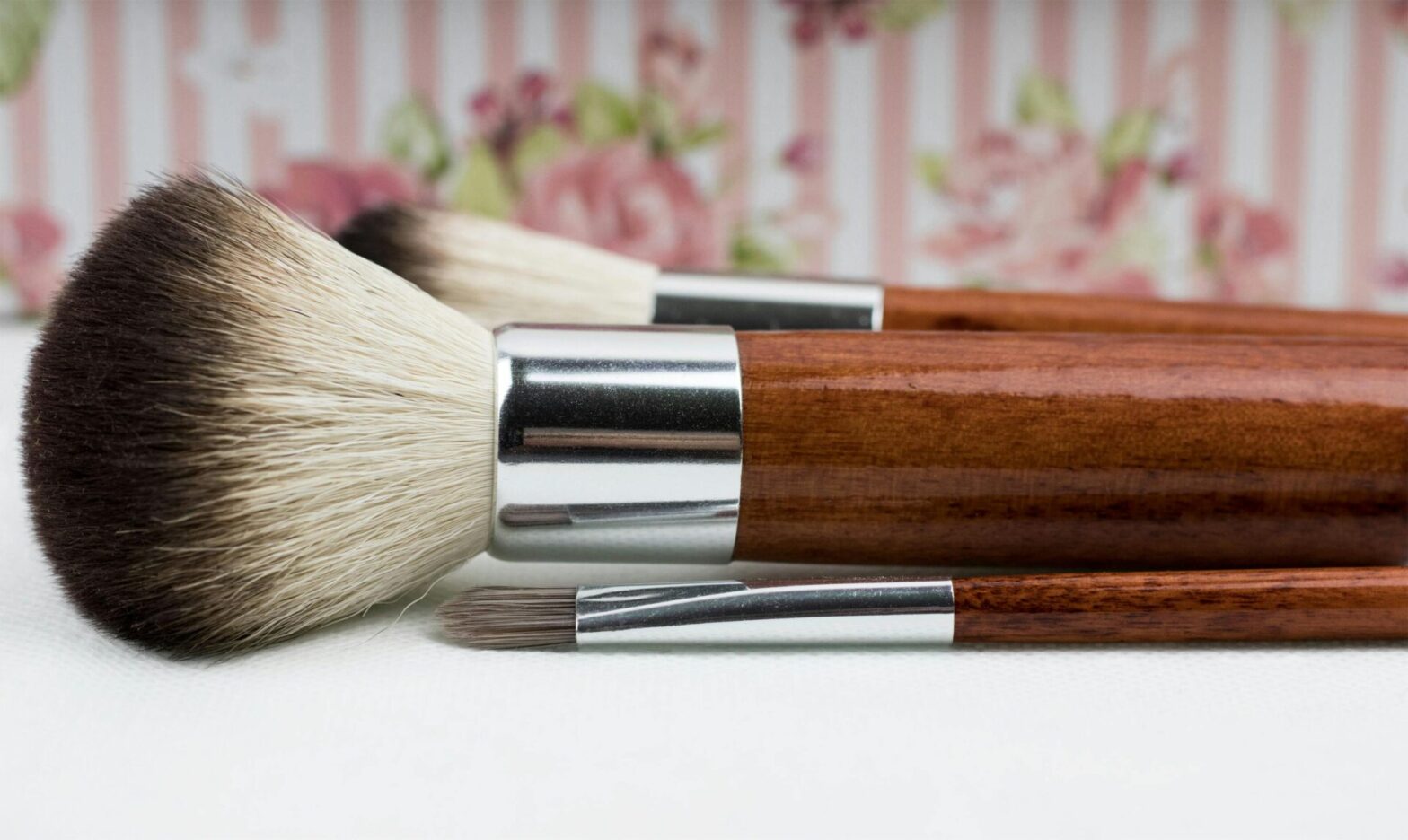
A kabuki brush is one of the most versatile tools in any makeup kit, yet many people aren’t entirely sure what sets it apart from other brushes. Whether you’re new to makeup application or looking to refine your technique, understanding what a kabuki brush is — and how to use it properly — can make a meaningful difference in your results.
This guide breaks down everything you need to know: what the brush is, how it works, and when it’s the right tool for the job.
Quick Answer: What Is a Kabuki Brush?
A kabuki brush is a short-handled makeup brush with a thick, densely packed, dome-shaped or flat head. Originally used in Japanese kabuki theater for applying heavy stage makeup, it’s now a staple in everyday beauty routines. It’s primarily used to apply powder-based products — like foundation, bronzer, blush, and setting powder — quickly and evenly across the face.
Key Takeaways
- A kabuki brush has a short handle and a dense, full brush head designed for broad, blended coverage
- It works best with loose or pressed powder products, including powder foundation, bronzer, and blush
- The dense bristles allow for buildable, even coverage with minimal product waste
- Kabuki brushes come in several shapes, including dome, flat-top, and angled varieties
- They can be used with a swirling, stippling, or buffing motion depending on the desired finish
- Synthetic bristles are generally better for liquid products; natural bristles work well with powders
What Makes a Kabuki Brush Different From Other Brushes?
The most defining feature of a kabuki brush is its shape. Unlike long-handled brushes designed for precision, the kabuki brush prioritizes coverage and blending over detail work.
Key differences include:
- Handle length: Short and stubby, giving the user more control and pressure during application
- Bristle density: Much denser than a standard powder or blush brush, allowing for fuller coverage
- Head shape: Typically dome-shaped, flat-topped, or angled — each suited to slightly different applications
- Size: Larger brush head covers more surface area per stroke, making application faster
This combination of features makes it ideal for applying product across large areas of the face efficiently.
What Is a Kabuki Brush Used For?
Kabuki brushes are multi-functional and can be used for several steps in a makeup routine.
Powder Foundation
This is one of the most common uses. The dense bristles pick up and deposit powder foundation evenly, and the buffing motion helps blend the product seamlessly into the skin for an airbrushed effect.
Setting and Finishing Powder
A kabuki brush is excellent for applying loose or pressed setting powder over liquid foundation. It distributes the powder evenly without disturbing the base makeup underneath.
Bronzer and Blush
The dome or angled shape makes it easy to sweep bronzer along the perimeter of the face or dust blush onto the cheeks. The density of the bristles helps diffuse color naturally so it doesn’t appear patchy or overly concentrated.
Mineral Makeup
Kabuki brushes are particularly popular for mineral makeup application. The swirling technique used with loose mineral powder works exceptionally well with the dense, rounded head of a kabuki brush.
If you’re exploring powder-based beauty products, it’s also worth reading about the best natural and organic foundations to find formulas that pair well with this type of brush.
Kabuki Brush Shapes Compared
| Shape | Best For | Application Motion |
|---|---|---|
| Dome/Round | All-over powder, mineral makeup | Swirling or circular buffing |
| Flat-Top | Buildable coverage, powder foundation | Stippling or pressing |
| Angled | Blush, bronzer, contour | Sweeping along cheekbones |
| Tapered | Highlight, targeted blending | Light sweeping or patting |
How to Use a Kabuki Brush Correctly
Using the right technique is just as important as choosing the right brush.
- Tap off excess product before applying to avoid overloading the brush and depositing too much color at once
- Use a swirling motion for even distribution when applying mineral or loose powder products
- Use a stippling or pressing motion with a flat-top kabuki for more controlled, buildable coverage
- Buff in circular motions to blend out any harsh lines or concentrated areas of pigment
- Work outward from the center of the face for the most natural-looking finish
Natural vs. Synthetic Kabuki Bristles
Natural bristles (made from animal hair such as goat or squirrel) are traditionally preferred for powder products because they pick up and distribute dry formulas smoothly without clumping.
Synthetic bristles are better suited for liquid or cream products because the non-porous fibers don’t absorb as much product. They’re also a cruelty-free option and generally easier to clean thoroughly.
For most powder applications, either bristle type can work well. The choice often comes down to personal preference and ethical considerations.
How to Clean and Care for a Kabuki Brush
Because kabuki brushes have such dense bristle packs, product buildup can occur more quickly than with standard brushes. Regular cleaning is essential for maintaining both hygiene and performance.
A gentle brush cleanser or mild soap worked into the bristles — then rinsed thoroughly and reshaped before air drying — is the standard approach. Due to the density of the bristles, it’s especially important to rinse until the water runs completely clear and to allow adequate drying time before the next use.
For a thorough walkthrough of proper brush care techniques, this complete guide to cleaning cosmetic brushes covers everything from daily spot cleaning to deep washing routines.
Common Misconceptions About Kabuki Brushes
“Kabuki brushes are only for heavy coverage.” Not true. The technique and amount of product used determines coverage level, not the brush itself. A light hand produces a sheer, natural finish.
“They’re only for powder.” While powder is the primary use, flat-top kabuki brushes can be used to buff in liquid foundation for a smooth, even base.
“Any fluffy brush can do the same job.” The density and compactness of a kabuki brush is what sets it apart. A fluffy powder brush will give a lighter, more diffused result — not the same buffed finish.
For a complete complexion routine, pairing a kabuki brush with the right products makes a real difference. You might also want to explore the best natural and organic concealers to complement your foundation application.
Who Should Use a Kabuki Brush?
Kabuki brushes are genuinely well-suited to a wide range of users, not just experienced makeup wearers.
Beginners benefit from the short handle and dense head, which offer more physical control than long-handled brushes. The buffing motion is also more forgiving — it naturally blends out mistakes and uneven deposits without requiring precision.
Experienced users appreciate the efficiency and the buildable coverage that a quality kabuki brush delivers. It’s a reliable tool for speeding up the base makeup step without sacrificing finish quality.
Mineral makeup users in particular will find a kabuki brush almost indispensable. The swirling technique used to pick up and apply loose mineral powder is specifically designed around the shape and density of this brush style.
The only users who may find kabuki brushes less ideal are those who prefer very targeted, detailed application — for example, applying product only to specific areas like under the eyes or around the nose. In those cases, a smaller, more precise brush is the better choice.
Conclusion
A kabuki brush is a dense, short-handled makeup brush designed primarily for applying and blending powder-based products across the face. Its unique shape and bristle density make it one of the most efficient tools for achieving smooth, even coverage — whether you’re working with mineral foundation, setting powder, or bronzer.
Understanding how to use it correctly, and which shape suits your needs, is what makes the difference between a streaky application and a polished, professional-looking finish.
FAQs
Can a kabuki brush be used with liquid foundation?
Yes, particularly flat-top kabuki brushes. They can be used to stipple and buff liquid foundation into the skin, though a damp beauty sponge may give a more seamless finish with very liquid formulas.
How often should I clean my kabuki brush?
Ideally, you should clean it once a week with a gentle brush cleanser or mild soap. Regular cleaning prevents product buildup, bacteria growth, and helps maintain the brush’s performance over time.
Is a kabuki brush good for beginners?
Yes. The short handle and dense head make it easier to control than longer brushes, and the buffing motion is forgiving for those still developing their technique. It’s one of the most beginner-friendly brush styles available.
What’s the difference between a kabuki brush and a powder brush?
A powder brush typically has a longer handle and a softer, fluffier head that deposits product more lightly. A kabuki brush has a denser, more compact head that buffs product into the skin for more coverage and a smoother finish.
Can one kabuki brush be used for multiple products?
It’s best to use separate brushes for different products to avoid color mixing — for example, keeping one brush for foundation and another for bronzer. If you do use one brush for multiple steps, clean it between uses with a quick-dry brush spray.
This article was last updated on March 4, 2026 .