
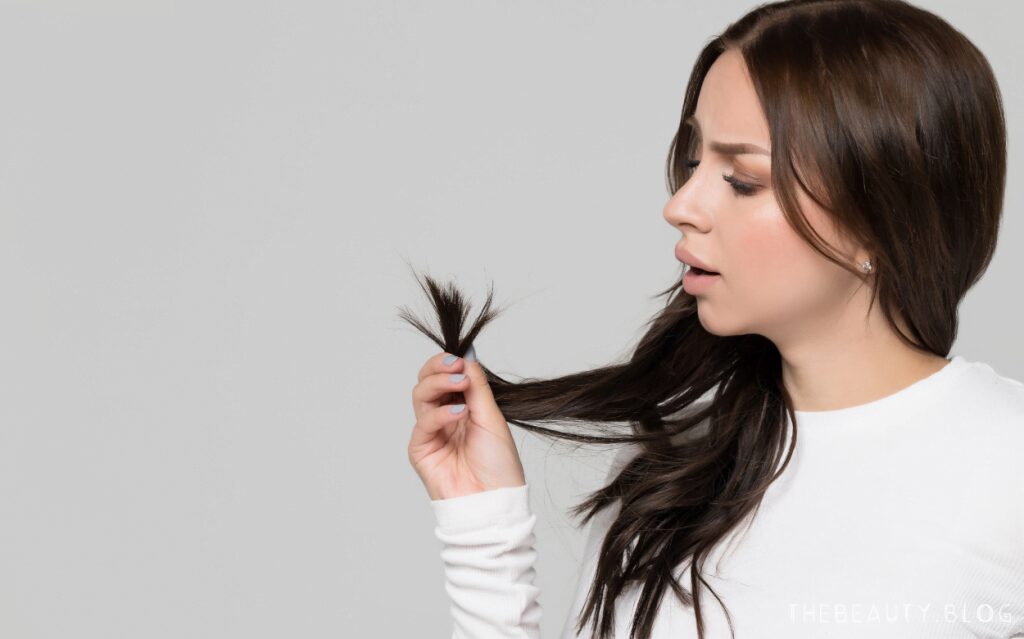
Choosing the right hair care products can feel overwhelming with so many options available. The truth is, there’s no universal answer — the best products for your hair depend on your hair type, texture, scalp condition, and specific concerns like dryness, damage, or frizz.
This guide breaks down exactly what to look for so you can build a routine that actually works for your hair.
Quick Answer
The hair care products you should use depend on your hair type and concerns. Most people need a shampoo, conditioner, and at least one styling or treatment product. Start by identifying whether your hair is oily, dry, fine, thick, curly, or color-treated, then choose formulas specifically designed for those characteristics.
Key Takeaways
- Hair type is the most important factor when choosing shampoo, conditioner, and treatments
- Fine hair needs lightweight, volumizing formulas — heavy products will weigh it down
- Curly and coily hair requires more moisture and benefits from leave-in conditioners and curl creams
- Oily scalps need clarifying or balancing shampoos, not heavy hydrating ones
- Heat protectant is non-negotiable if you regularly use hot tools
- A consistent routine with a few well-matched products outperforms a cabinet full of mismatched ones
How to Choose Hair Care Products Based on Hair Type
Fine or Thin Hair
Fine hair lacks volume and is easily weighed down by heavy formulas. Look for volumizing or lightweight shampoos and conditioners that add body without buildup.
Key product recommendations:
- Volumizing shampoo with proteins like keratin or biotin
- Lightweight conditioner applied only to the mid-lengths and ends
- Mousse or lightweight spray for styling — avoid thick creams or oils
Avoid silicone-heavy products, which can coat fine strands and cause flatness over time.
Thick or Coarse Hair
Thick hair tends to be more resistant to moisture and can handle richer formulas. Hydrating and smoothing products work best to tame frizz and improve manageability.
- Use a moisturizing shampoo and a deeply hydrating conditioner
- A weekly hair mask or deep conditioning treatment helps soften texture
- Finishing creams or serums smooth the cuticle and reduce frizz
Curly and Coily Hair
Curly hair is naturally drier because the curl pattern makes it harder for scalp oils to travel down the hair shaft. Moisture retention is the top priority.
- Use a sulfate-free, hydrating shampoo to avoid stripping natural oils
- Apply a rich conditioner every wash and consider co-washing between shampoo days
- Leave-in conditioner, curl cream, or a defining gel helps maintain curl pattern and reduce frizz
For a deeper look at building a routine for textured hair, this guide to curly hair care on The Beauty Blog covers the curl typing system and product layering in detail.
Oily or Greasy Hair
An oily scalp produces excess sebum, which can make hair look flat and unwashed quickly. The goal is balance, not stripping.
- Use a clarifying or balancing shampoo 2–3 times per week
- Avoid heavy conditioners on the scalp — apply only from mid-length to ends
- Dry shampoo can extend time between washes without over-washing
Over-washing can actually stimulate more oil production, so resist the urge to shampoo daily if possible.
Dry or Damaged Hair
Dryness and damage often go hand in hand, especially with heat styling, chemical treatments, or color. Repair and hydration are the focus.
- Choose a moisturizing or repairing shampoo with ingredients like argan oil, shea butter, or hydrolyzed protein
- Use a conditioner every wash and add a weekly deep conditioning mask
- A bond-building treatment (like those containing amino acids) can help restore structural integrity
Essential Hair Care Products Everyone Should Know
| Product | Purpose | Best For |
|---|---|---|
| Shampoo | Cleanses scalp and hair | All hair types |
| Conditioner | Adds moisture and detangles | All hair types |
| Deep conditioner/mask | Intensive hydration and repair | Dry, damaged, curly hair |
| Leave-in conditioner | Ongoing moisture and protection | Curly, coily, dry hair |
| Heat protectant | Shields hair from heat damage | Anyone using hot tools |
| Scalp treatment | Addresses dandruff, dryness, or buildup | Problem scalps |
| Styling product | Defines, holds, or smooths | Varies by style goal |
What Ingredients Should You Look For?
Understanding a few key ingredients helps you read labels more confidently.
For moisture: Look for hyaluronic acid, glycerin, shea butter, aloe vera, and natural oils like argan or jojoba.
For strength and repair: Keratin, hydrolyzed proteins, biotin, and amino acids help reinforce weakened strands.
For scalp health: Salicylic acid, zinc pyrithione, and tea tree oil address dandruff and excess oil. Niacinamide supports scalp barrier health.
Ingredients to limit: Sulfates can be too harsh for dry or color-treated hair. Heavy silicones may cause buildup without regular clarifying.
If you’re navigating a damaged hair recovery routine, The Beauty Blog’s breakdown of hair repair ingredients is a useful starting point.
How Often Should You Wash Your Hair?
Washing frequency depends on your scalp type, not a fixed schedule.
- Oily scalp: Every 1–2 days
- Normal scalp: Every 2–3 days
- Dry or curly hair: Every 3–7 days, using co-washing in between if needed
Over-washing strips natural oils and can lead to more dryness or compensatory oil production.
Conclusion
The best hair care products are the ones matched to your actual hair type and scalp needs. Start with the basics — a good shampoo and conditioner suited to your hair — and build from there based on your specific concerns. Consistency with the right products will always outperform switching between many products that aren’t right for your hair.
If you’re unsure where to start, identifying your hair type is the single most useful first step.
Frequently Asked Questions
What hair care products do I actually need?
Most people need three core products: a shampoo, a conditioner, and one treatment or styling product suited to their hair type. Beyond that, additions like heat protectant or a hair mask depend on your specific needs.
How do I know my hair type?
Hair type is generally categorized by texture (fine, medium, thick), curl pattern (straight, wavy, curly, coily), and scalp condition (oily, normal, dry). Observing how your hair behaves when air-dried without product is the simplest way to assess it.
Can I use the same products on my scalp and hair?
Not always. Your scalp may need a different formula than your hair lengths. For example, someone with an oily scalp and dry ends should use a balancing shampoo at the roots and a moisturizing conditioner on the ends only.
Are expensive hair care products better?
Price doesn’t always reflect quality. What matters most is whether the ingredients match your hair’s needs. Many drugstore products contain effective formulations, while some premium products may include unnecessary fillers.
How long does it take to see results from new hair care products?
Most products require 4–6 weeks of consistent use before you can fairly evaluate their impact. Hair changes gradually, so give any new routine time before switching again.
This article was last updated on February 26, 2026 .