
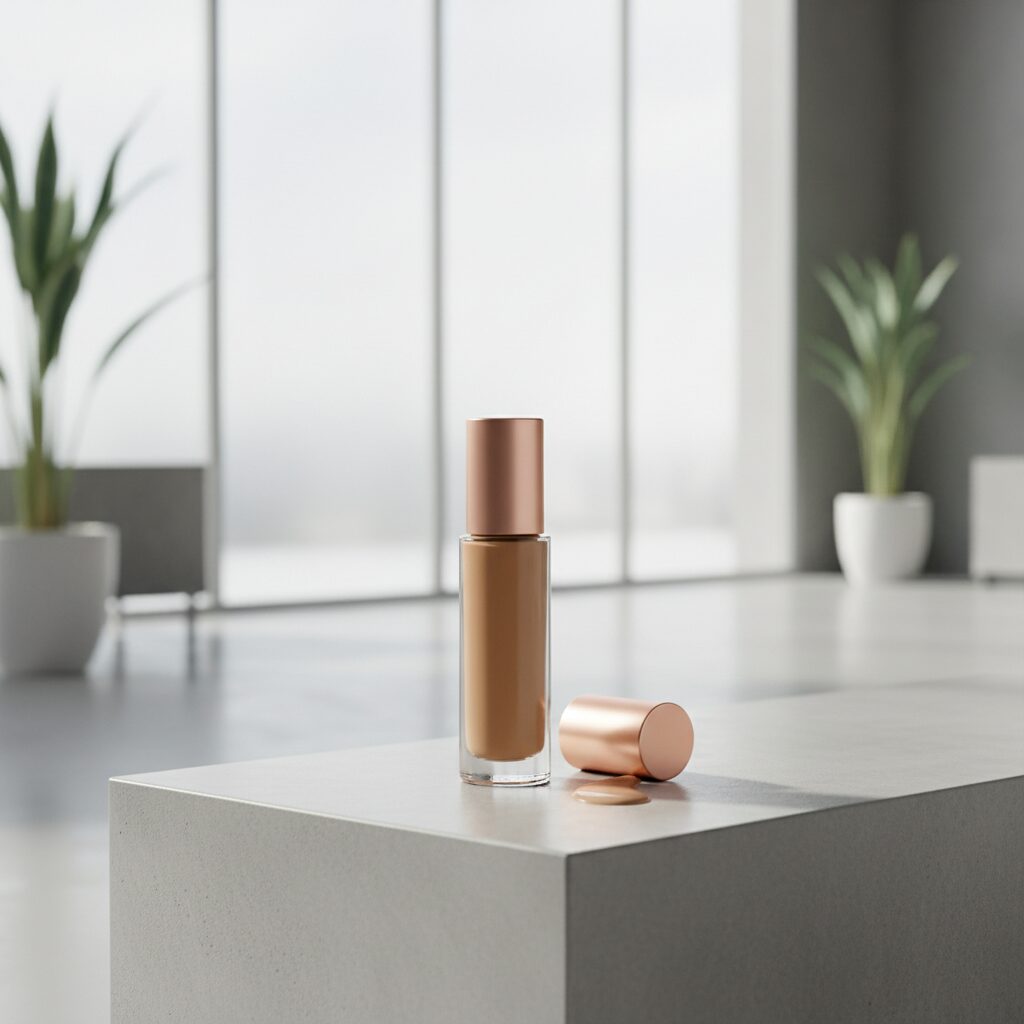
Finding the right foundation means understanding what’s actually in it. For people with acne-prone, sensitive, or congested skin, two ingredients often cause the most trouble: oil and silicone. An oil free silicone free foundation eliminates both, offering a cleaner, lighter base that works with your skin rather than against it.
This type of foundation has grown in popularity as more people look for formulas that minimize breakouts, reduce pore-clogging, and feel more breathable throughout the day.
Quick Answer
An oil free silicone free foundation is a complexion product formulated without added oils or silicone-based ingredients likeethicone or cyclopentasiloxane. It’s best suited for oily, acne-prone, or sensitive skin types that react poorly to heavier formulas. These foundations typically offer a lighter, more breathable finish without the risk of clogged pores or irritation.
Key Takeaways
- means no added plant or mineral oils in the formula — it does not mean the product is non-comedogenic by default free** means no dimethicone, cyclopentasiloxane, or similar smoothing agents that can trap in pores
- These foundations are most beneficial for oily, acne-prone, combination, and sensitive skin types
- Water-based or mineral formulas are common alternatives that skip both oil and silicone
- Always check the full ingredient list — “oil free” labeling is not strictly regulated
- Skipping silicone can mean less slip and blurring effect, so application technique matters more
What Does Oil Free Mean in Foundation?
Oil free means the formula contains no added oils as ingredients. This includes plant-derived oils like jojoba or argan, as well as synthetic oils sometimes used as emollients or texture
Oil free foundations are designed to reduce shine and minimize the risk of clogging pores, making them a common recommendation for oily and acne-prone skin. However, it’s worth noting that “oil free” is not a regulated term, so checking the ingredient list directly is always the most reliable approach.
What Does Silicone Free Mean in Foundation?
Silicone free means the formula excludes silicone-based compounds, which are commonly used in cosmetics to create a smooth, blurring effect on the skin’s surface.
Common silicones to look for on ingredient labels include:
- Dimethicone
- Cyclopentasiloxane
- Cyclohexasiloxane
- Trimethicone
- Phenyl trimethicone
Silicones are not inherently harmful, but they can form an occlusive layer on the skin. For some people, this contributes to congestion, milia, or breakouts — particularly if makeup isn’t removed thoroughly. If you’ve been exploring silicone-free foundation options, understanding why these ingredients are excluded helps you make a more informed choice.
Who Should Use Oil Free Silicone Free Foundation?
This type of foundation is most appropriate for specific skin concerns rather than all skin types.
Best suited for:
- Oily skin that produces excess sebum throughout the day
- Acne-prone skin that breaks out easily from heavy or occlusive products
- Combination skin looking for a formulaize shine in the T-zone
- Sensitive skin that reacts to synthetic ingredients
Less ideal for:
- Dry or mature skin that benefits from the moisturizing and plumping effect of oils and silicones
- Anyone who prefers a smourred finish — silicones provide that slip and soft-
If your skin leans dry, removing both oils and silicones can result in a foundation that emphasizes texture or settles into fine lines more easily.
What Are Common Formulas That Are Both Silicone Free?
Several foundation types naturally avoid both ingredients.
Water-Based Foundations
Water-based formulas use water as the primary carrier instead of oil or silicone. They tend to feel lightweight and breathable, making them a practical choice for oily and combination skin.
Mineral Foundations
Mineral foundations — particularly loose or pressed powder formulas — are typically free from both oils and silicones. They use minerals like zinc oxide and titanium dioxide as their base, which also offer some natural sun protection. For those interested in cleaner formulas, natural and organic foundations often fall into this category.
Gel-Based Foundations
Gel foundations use a water-gel base that delivers a fresh, skin-like finish without relying on oils or silicones for texture. These are increasingly popular in humid climates or for people who disavier coverage.
How to Read Ingredient Labels
Knowing what to look for makes it easier to identify truly oil free silicone free formulas.
- Start with the first five ingredients — these make up the bulk of the formula
- Look for “aqua” or “water” near the top — a good sign it’s water-based
- Scan for silicone suffixes — ingredients ending in “-cone,” “-conol,” or “-siloxane” are silicones
- Check for oils — look for words like “oil,” “butter,” or “-ate” e can sometimes function like oils
One important clarification: -comedogenic and oil free are not the same thing. A product can be oil free and still contain pore-clogging ingredients, and vice versa.
Does Skipping Silicone Affect Coverage or Finish?
Yes, removing silicone does change how a foundation applies and wears. Silicones create a smooth canvas, help foundation glide on evenly, and blur the appearance of pores and texture.
Without silicone, you may notice:
- Less slip during application — blending requires more care
- A more natural, skin-like finish rather soft-focus effect
- Slightly more visible texture if skin prep isn’t thorough
Using a good primer and moisturizer underneath can help compensate for the absence of silicone’s blurring properties. For those focused on a complete cleaner beauty routine, pairing your foundation with natural and organic concealers keeps the whole look consistent.
Conclusion
An oil free silicone free foundation is a practical choice for anyone whose skin reacts toavier, more occlusive formulas. Understanding what these terms actually mean — and what to look for on an ingredient label — helps you choose a foundation that genuinely suits your skin rather than relying on marketing claims alone.
The best approach is always to read the full ingredient list, consider your skin type honestly, and give any new formula a proper trial period to see how your skin responds.
FAQs
Is oil free silicone free foundation better for acne-prone skin?
It can be, because both oils and silicones have the potential to clog pores or trap bacteria in acne-prone skin. However, not all oil free silicone free formulas are automatically non-comedogenic, so checking the full ingredient list is still important.
Can dry skin use oil free silicone free foundation?
It’s generally not recommended. Dry skin benefits from the emollient properties of oils and the smoothing effect of silicones. Removing both can result in a foundation that looks dry, patchy, or emphasizes fine lines.
What ingredients replace silicone in silicone-free foundations?
Many silicone-free formulas use water, aloe vera, plant-based gels, or lightweight film-forming agents to achieve a smooth finish. These alternatives tend to feel lighter and more breathable on the skin.
Does oil free mean the product won’t cause breakouts?
Not necessarily. Oil free means no added oils, but other ingredients — like certain emollients, waxes, or alcohols — can still contribute to breakouts in sensitive or acne-prone skin.
How is different from mineral foundation?
Mineral foundation is a specific type of formula made primarily from mineral pigments like zinc oxide and titanium dioxide. Most mineral foundations happen to be both oil free and silicone free, but not all oil free silicone free foundations are mineral-based.
This article was last updated on April 16, 2026 .