
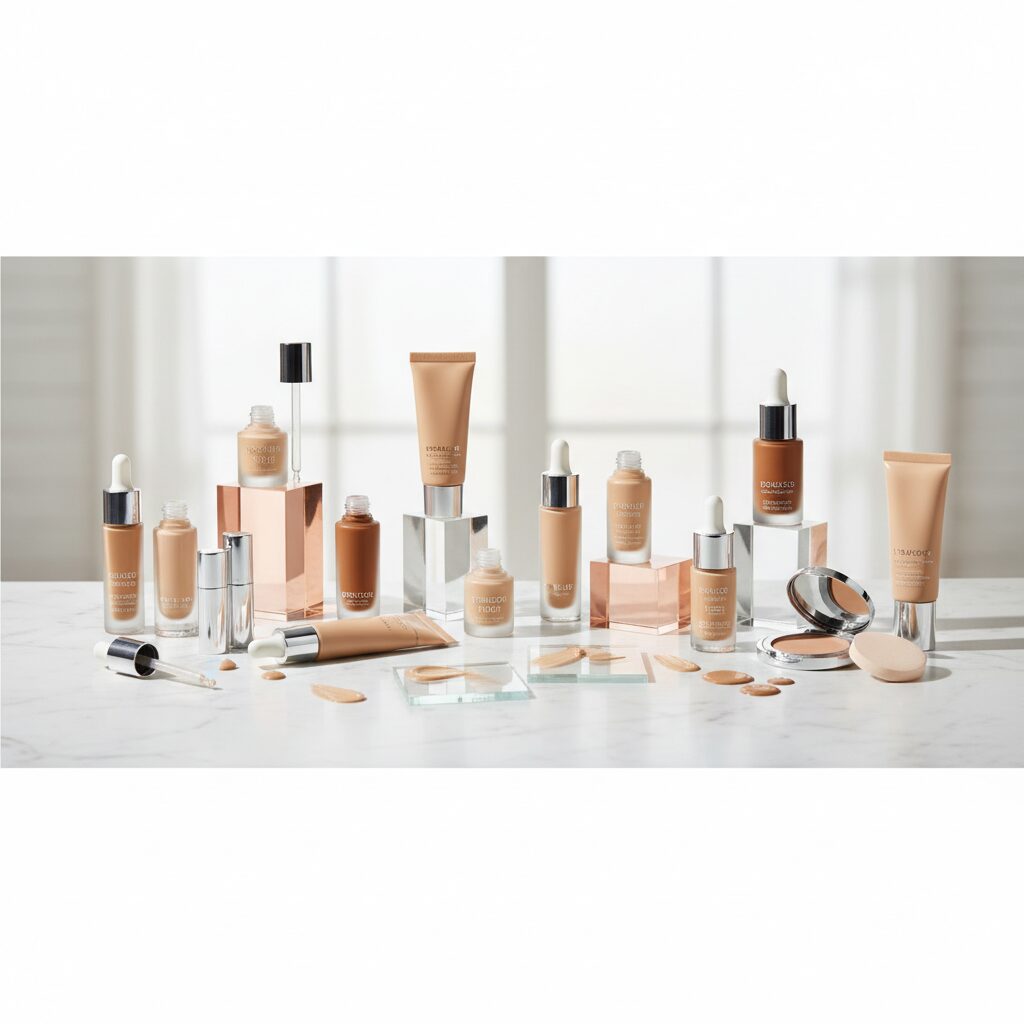
If you have ever checked the ingredient list on your foundation and felt overwhelmed by the long string of chemical names, you are not alone. One ingredient that appears in a huge number of makeup products is dimethicone, a type of silicone that gives foundation its smooth, blurring finish. While it works well for many people, others find it problematic for their skin. Understanding what foundation without dimethicone actually means, and why it might be worth seeking out, can genuinely change the way your skin looks and feels over time.
Key Takeaways
- Dimethicone is a silicone-based ingredient widely used in foundations to create a smooth, pore-blurring finish
- It can trap debris, oil, and bacteria in pores, which may worsen breakouts and congestion for some skin types
- Silicone-free foundations are a strong option for acne-prone, sensitive, or congested skin
- Natural and mineral foundations are often (but not always) free from dimethicone
- Always read ingredient labels carefully, as silicones appear under several different names
- Silicone-free formulas can still deliver excellent coverage, longevity, and a flattering finish
- Switching to a dimethicone-free foundation is one part of a broader approach to cleaner, skin-friendly makeup
What Is Dimethicone and Why Is It in Foundation?
Dimethicone belongs to a family of synthetic ingredients called silicones. In cosmetics, it functions as an emollient and a skin-conditioning agent. When added to foundation, it creates that instantly smooth, blurred effect that makes pores appear smaller and skin look more even in texture.
It also helps foundation glide on effortlessly, extend wear time, and resist moisture. From a formulation standpoint, it is a highly effective ingredient. That is precisely why it shows up in so many products across every price point.
Other Names for Dimethicone on Ingredient Labels
Dimethicone does not always appear under that exact name. If you are trying to avoid it, watch out for these related silicone ingredients:
- Cyclopentasiloxane (D5)
- Cyclomethicone
- Dimethiconol
- Phenyl trimethicone
- Trimethylsiloxysilicate
- Amodimethicone
Any ingredient ending in “-cone,” “-siloxane,” or “-silane” is likely a silicone derivative. Getting familiar with these names makes it much easier to identify a truly silicone-free formula.
Why Some People Avoid Dimethicone in Foundation
Not everyone reacts to. For some, it is a completely neutral ingredient that causes no issues whatsoever. For others, it is a significant skin concern.
It Can Clog Pores
Dimethicone is technically non-comedogenic according to many dermatological ratings, but the reality is more nuanced. Because it forms a film over the skin’s surface, it can trap sebum, dead skin cells, and environmental pollutants inside pores. Over time, this occlusive effect may contribute to blackheads, milia, or persistent congestion, particularly in people who are already prone to these issues.
It May Aggravate Acne-Prone Skin
People with acne-prone skin often find that silicone-heavy foundations make their breakouts worse. The pore-clogging potential, combined with the fact that silicones can be difficult to fully remove without a proper double cleanse, means bacteria and oil can linger longer than they should.
Sensitive Skin Reactions
Some individuals with sensitive skin report irritation, redness, or a feeling of heaviness when using dimethicone-containing products. While true allergic reactions to silicones are rare, skin sensitivity can still be triggered, especially with prolonged daily use.
Environmental Considerations
Cyclic silicones like cyclopentasiloxane have raised environmental concerns due to their persistence in aquatic ecosystems. For those who prioritize eco-conscious beauty choices, avoiding these ingredients is part of a broader commitment to sustainability.
What to Look for in a Foundation Without Dimethicone
Choosing a silicone-free foundation does not mean settling for less. Many high-performing formulas skip dimethicone entirely while still delivering impressive coverage, a healthy-looking finish, and comfortable wear.
Skin-Friendly Alternatives to Silicone
Formulators use several natural and synthetic alternatives to achieve a smooth, blendable texture without silicones:
- Plant-based oils and butters such as jojoba, rosehip, or shea butter provide slip and moisture
- Hyaluronic acid adds hydration without occlusion
- Niacinamide helps regulate oil and minimize the appearance of pores
- Zinc oxide offers natural coverage and is ideal for sensitive or acne-prone skin
- Aloe vera soothes and conditions the skin beneath the formula
These alternatives often bring additional skincare benefits, making silicone-free foundations a smart choice for those who want their makeup to work with their skin rather than just sit on top of it.
Finish Types Available in Silicone-Free Formulas
A common misconception is that ditching dimethicone means giving up a polished look. In reality, silicone-free foundations come in a wide range of finishes:
| Finish Type | Best For | Key Benefit |
|---|---|---|
| Matte | Oily or combination skin | Controls shine throughout the day |
| Satin/Natural | Most skin types | Balanced, healthy-looking glow |
| Dewy | Dry or mature skin | Adds luminosity and hydration |
| Mineral/Powder | Sensitive or acne-prone skin | Lightweight, breathable coverage |
How to Read Foundation Labels Like a Pro
Once you know what you are looking for, reading a foundation ingredient list becomes much more straightforward. Ingredients are always listed in descending order of concentration, so those appearing near the top make up the bulk of the formula.
Here is a quick reference for navigating labels:
- Scan for “-cone” endings in the first ten ingredients, as this is where dimethicone most commonly appears
- Look for water or aloe vera as the first ingredient, which often signals a more breathable, skin-friendly base
- Check for zinc oxide or titanium dioxide if you want mineral-based coverage
- Avoid products labeled “long-wear” or “pore-filling” without checking the label, as these often rely heavily on silicones for their performance claims
- Research unfamiliar ingredients using a trusted cosmetic ingredient database before purchasing
If you are already exploring cleaner beauty options across your routine, the best natural and organic foundations roundup on The Beauty Blog is a great place to start your search for verified silicone-free options.
Comparing Dimethicone vs. Silicone-Free Foundations
| Feature | Dimethicone Foundation | Silicone-Free Foundation |
|---|---|---|
| Texture on skin | Silky, pore-filling | Natural, skin-like |
| Finish | Often blurring or matte | Varies widely |
| Pore congestion risk | Higher for some | Generally lower |
| Removal ease | Requires double cleanse | Usually easier to remove |
| Eco-friendliness | Cyclic silicones raise concerns | Often more sustainable |
| Skin compatibility | Broad, but problematic for some | Better for sensitive/acne-prone |
| Ingredient transparency | Varies by brand | Often higher in clean beauty brands |
Building a Skin-Friendly Makeup Routine Around a Silicone-Free Foundation
Switching your foundation is a meaningful step, but it works best when the rest of your routine supports your skin as well. A few things to consider:
Primer: Many primers are loaded with silicones, which defeats the purpose of using a silicone-free foundation. Look for water-based or mineral primers. If you struggle with large pores, check out the best primer for large pores for options that do not rely on silicone to blur.
Concealer: Your concealer should ideally be silicone-free as well for a consistent approach. The best natural and organic concealers list includes options formulated without synthetic silicones.
Cleanser: When wearing any foundation, thorough cleansing is essential. A gentle but effective cleanser helps prevent buildup. The best cleanser for pores can help keep skin clear whether or not your foundation contains silicones.
Skincare base: What you apply under your foundation matters. Layering silicone-based serums or moisturizers under a silicone-free foundation can still create the same pore-clogging issues you are trying to avoid. Look for lightweight, non-comedogenic skincare underneath.
For those also rethinking their broader makeup collection, exploring the best silicone-free foundation options is a logical next step, and pairing that with a thoughtful skincare routine makes the most noticeable difference.
If you are also exploring natural alternatives across your beauty shelf, the best natural and organic foundations guide covers formulas that tend to prioritize skin health and ingredient transparency.
Conclusion
Foundation without dimethicone is not a compromise, it is simply a different approach to makeup that prioritizes breathability, skin compatibility, and ingredient transparency. Whether you are dealing with acne, congestion, sensitivity, or simply want to move toward a cleaner beauty routine, understandingethicone does and how to identify silicone-free alternatives gives you real power as a consumer.
The most important habit you can build is reading ingredient labels with confidence. Once you know what to look for, finding a foundation that genuinely works with your skin becomes far less overwhelming. Pair your silicone-free foundation with a complementary primer, cleanser, and skincare routine, and you will likely notice a meaningful difference in how your skin looks and feels over time.
Frequently Asked Questions
Is dimethicone bad for all skin types?
No, dimethicone is well-tolerated by many people and is considered safe by most dermatological standards. It tends to be most problematic for those with acne-prone, oily, or congested skin who may experience increased pore blockage with regular use.
Can a foundation be labeled “non-comedogenic” and still contain dimethicone?
Yes, and this is a common source of confusion. Non-comedogenic ratings are not standardized or regulated, so a product can carry that label while still containing ingredients that some individuals find pore-clogging in practice.
Does silicone-free foundation wear as long as regular foundation?
Many silicone-free formulas are designed for full-day wear and perform comparably to silicone-based options. Setting powder or a setting spray can help extend wear time regardless of the base formula.
Are mineral foundations always free from dimethicone?
Not necessarily. While many mineral foundations are silicone-free, some brands add dimethicone to improve texture or spreadability. Always check the full ingredient list rather than relying on the “mineral” label alone.
How do I know if my current foundation contains silicones?
Check the ingredient list for any word ending in “-cone,” “-siloxane,” or “-silane.” Dimethicone, cyclopentasiloxane, and phenyl trimethicone are among the most common silicones found in foundation formulas.
This article was last updated on April 16, 2026 .